
- How Bee Venom Could Help Fight COVID-19
- Bee Venom and Immune Balance: How Melittin May Help Calm Inflammation
- Bee Venom, Melittin, and the Cytokine Storm
- Can Bee Venom Help Control Excessive Inflammation?
- Melittin and Cytokine Storms: Early Research on Bee Venom
- Interesting Real-World Findings
- Bee Venom Exposure and COVID-19 Immunity: What the Wuhan Survey Observed
- The Big Catch: Safety and Toxicity
- Apitherapy is a traditional healing practice that uses products from honeybees, including honey, pollen, propolis, royal jelly, and bee venom, to support health and wellbeing. It has been valued for centuries in natural and traditional medicine.
- Melittin is the main active protein-like peptide in bee venom
- Reference
Scientists are looking at bee venom as a backup treatment for COVID-19 because its natural proteins can reduce swelling, boost the immune system, and directly attack virus walls (pp. 2, 30).
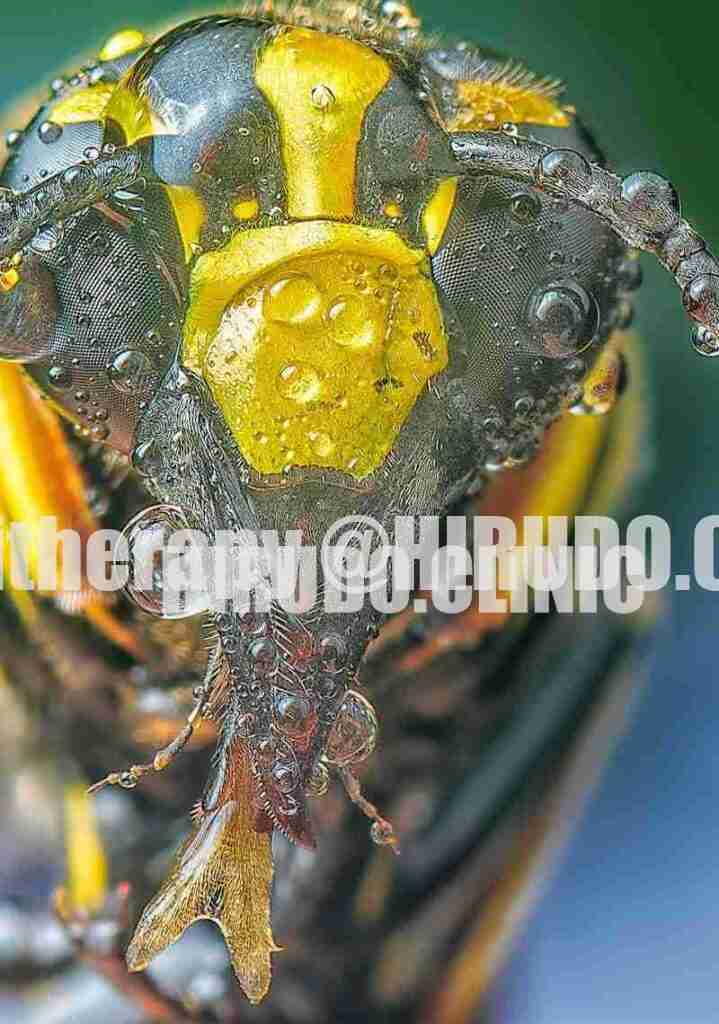
How Bee Venom Could Help Fight COVID-19
Melittin, the main active peptide in bee venom, has shown the ability to disrupt viral envelopes in laboratory studies. Many viruses are protected by a lipid outer layer, which helps them enter human cells. Research suggests that melittin can damage this protective membrane, making it harder for the virus to survive and infect cells. However, this does not mean bee venom is a proven treatment for viral infections. It means that melittin has interesting antiviral potential and deserves further controlled scientific research.(pp. 2, 30).
Bee Venom and Immune Balance: How Melittin May Help Calm Inflammation
Severe COVID-19 can trigger an excessive immune reaction known as a cytokine storm. In this state, the body releases high levels of inflammatory signalling molecules, which can damage tissues and worsen swelling in the lungs and other organs. Experimental research suggests that low doses of bee venom may influence some inflammatory pathways and help reduce the intensity of this immune overreaction. However, this should be understood as early scientific evidence, not as proof that bee venom can treat COVID-19. More controlled research is needed to confirm safety, dosage, and clinical benefit.
Bee Venom, Melittin, and the Cytokine Storm
Cytokine storm means the immune system overreacts.Instead of only fighting the infection, the body releases too many inflammatory signals called cytokines. This can cause strong swelling, fever, tissue damage, and serious problems in organs such as the lungs.

Can Bee Venom Help Control Excessive Inflammation?
Melittin and Cytokine Storms: Early Research on Bee Venom
Bee venom may help “train” the immune system by stimulating certain immune cells, especially dendritic cells. These cells act like sentinels: they detect unusual substances, process the signal, and alert the rest of the immune system. In this way, bee venom compounds may help the body recognise threats more efficiently and support a more organised immune response. Some research suggests this could contribute to longer-term immune regulation. However, this remains an area of early scientific study, and it should not be presented as proven protection against viral disease.
Interesting Real-World Findings
Bee Venom Exposure and COVID-19 Immunity: What the Wuhan Survey Observed
A survey from Wuhan, China, reported an unusual observation among people with regular exposure to bee venom. Researchers looked at 5,115 local beekeepers and 121 patients who were receiving bee-venom therapy. According to the report, none of these individuals developed COVID-19 symptoms or tested positive, even when some had close contact with infected family members. The authors suggested that repeated exposure to bee stings may have influenced immune protection. However, this finding should be treated carefully. It was an observational survey, not a clinical trial, so it cannot prove that bee venom prevents COVID-19. It simply raises an interesting scientific question: could controlled exposure to bee venom compounds help train or regulate the immune response? More rigorous research is needed before making any medical claims.
The Big Catch: Safety and Toxicity
Bee venom is a toxin and can be deadly at high doses or for people with allergies (pp. 23-24). It is only helpful in tiny, highly diluted, and medically controlled amounts (pp. 18-19). Scientists are using these findings to see if they can create safe vaccines or companion therapies—not recommending people get stung by random bees (pp. 29, 32).
Medical Disclaimer: This information is for general educational purposes only and does not constitute medical advice. Never attempt to use bee venom or apitherapy on your own, as it can cause severe allergic reactions or life-threatening anaphylactic shock (p. 23). Always consult a licensed medical professional for health concerns or treatments.
If you would like to look deeper into this study, please let me know. I can detail the exact chemical breakdown of the venom (p. 23), explain how they want to build the vaccine (p. 29), or outline the specific history of bee medicine (p. 4).
Apitherapy is a traditional healing practice that uses products from honeybees, including honey, pollen, propolis, royal jelly, and bee venom, to support health and wellbeing. It has been valued for centuries in natural and traditional medicine.
However, modern clinical evidence remains limited for many major medical conditions, so apitherapy should be presented as a complementary approach rather than a proven medical treatment.
Melittin is the main active protein-like peptide in bee venom
It makes up a large part of bee venom and is responsible for many of its strong biological effects. In laboratory studies, melittin can interact with cell membranes, bacteria, and some viral envelopes. This is why researchers study it for possible antimicrobial, antiviral, and anti-inflammatory properties.
However, melittin is also powerful and potentially toxic. In high doses, it can damage human cells and cause strong allergic reactions. So it should not be presented as a simple “natural cure,” but as a biologically active compound that needs careful scientific control.